


Atlanta’s Georgia Aquarium - Guide and Review of the Biggest Aquarium in the United States

Updated: Dec 22, 2025
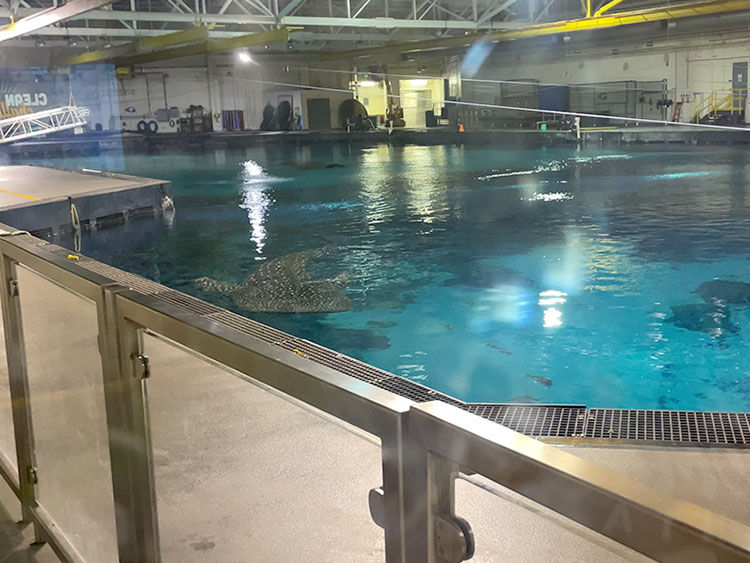
Atlanta, Georgia, is home to the 6th largest aquarium in the world, and the largest in the United States - the Georgia Aquarium. Located in downtown Atlanta across the street from Centennial Olympic Park, this 600,000 square foot aquatic wonderland is home to thousands of animals representing more than 500 species, living in over 10 million gallons of fresh and salt water. The aquarium is beautifully designed, with eye popping decor and delightfully themed galleries and exhibits. Georgia Aquarium is also notably one of the few places in the world where you can see manta rays and the world’s largest fish - the elusive whale shark.
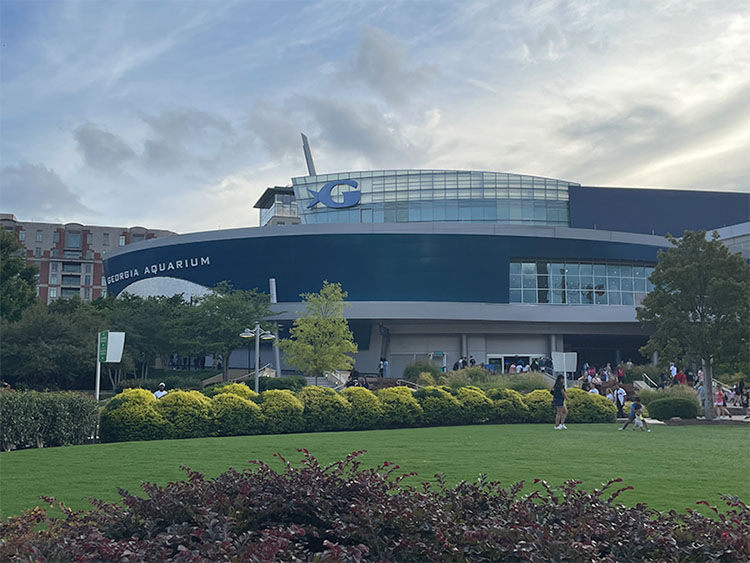
This aquarium is both world renowned and huge - so having the best experience does require some advanced planning. The crowds can be intense, and animal presentation tickets do sell out quickly on busy days! In this guide to the Georgia Aquarium, I’ll go over all the logistics and tips you need to make your experience an unforgettable one. I’ll also give you a brief overview of all the galleries, presentations, and hands-on animal encounters so you know how best to spend your time. As a scuba diver and lover of all things ocean related, this aquarium absolutely blew me away. If you’re interested in learning about this amazing place, or are planning an upcoming trip, get excited! Georgia Aquarium absolutely lives up to all the hype.
Georgia Aquarium - Guide & Review | Table of Contents
Location
Georgia Aquarium is located in the heart of downtown Atlanta, across from Centennial Olympic Park. The aquarium entrance faces Pemberton Place, a five acre green space perfect for lounging and relaxing before or after your visit. Directly across Pemberton Place is the World of Coca-Cola, another famous must-see Atlanta attraction! Be sure to check out my guide and review of the World of Coca-Cola as well - both attractions can be visited in one day.
Parking & Public Transportation
The official aquarium parking lot has 1600 spaces, both covered and rooftop. As of December 2025, aquarium parking prices are $15 for aquarium members, and $25 for general parking. Parking can be paid for advance online. There are also other parking lots in the area if the official one is full.
If you’re driving here and parking onsite, you can use this street address for a direct route to the parking lot: 357 Luckie Street, NW Atlanta, GA 30313. As your ticket may have a timed entry, do keep Atlanta’s notorious traffic in mind to be sure you arrive on time!

The aquarium can also be reached by public transit using Atlanta’s MARTA system. The current fare is $2.50 as of December 2025. By train, the Georgia Aquarium can be reached from the Dome/GWCC/Philips Arena/CNN Center Station on the Blue/Green line or from the Civic Center or Peachtree Center Stations on the Red/Gold line. Each of these stations is about a 10 - 15 minute walk to the aquarium. The closest bus stops to the aquarium are Civic Center MARTA bus station and Five Points MARTA station on route 32.
Tickets
If you need to purchase a day ticket (i.e. you don’t have an aquarium membership or other type of combo ticket), then there are two options, as Georgia Aquarium does not have strictly fixed pricing.
If you have no idea when you will visit, you can purchase an “anytime ticket”, which is good for any day in the next 365 days with no blackout dates. However, this an expensive option, with a cost of $67.99 as of December 2025.
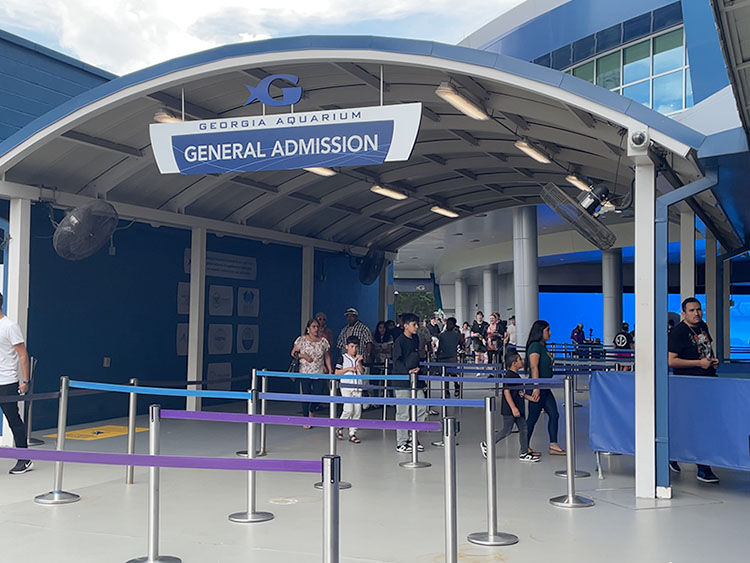
If know exactly when you will visit or have some flexibility on choosing your exact date, you can take advantage of their “Plan-Ahead Pricing Model,” where ticket prices are based on how far in advance you are booking and when the aquarium anticipates being more or less busy. This fixed date option rewards you for planning your visit well in advance and/or for selecting an off-peak visiting time. You can view the upcoming pricing calendars month by month, so if you have flexibility with your schedule, you can select the dates that are the least expensive. As of December 2025, fixed date prices are hovering between a low of $54.99 and a high of $64.99. Tickets will be most expensive when they are purchased last minute, or when you are selecting a peak visiting time, such as holidays, weekends, or school breaks. For crowd control on anticipated busy days, tickets will have both a date and entry time on them, and your admission will be valid for one hour from the selected entry time. There is no required exiting time, so once you’re in you can stay until closing. You can purchased fixed date tickets up to 6 months in advance. Keep in mind all tickets will have additional taxes and a $5 transaction fee added on to the cost.
When to Go and How Long to Spend
As touched on above, the best days to go for both lower pricing and smaller crowds are to avoid holidays, school breaks, and weekends. That said, the aquarium does often have longer hours on anticipated busier days. They’re open sometimes as long as 12 hours (9 am - 9 pm), so keep that in mind when selecting your ticket date and time - check the operating hours to see how much time you’ll have to explore on that date. Even on a busy holiday weekend, 12 hours is plenty of time to see it all.
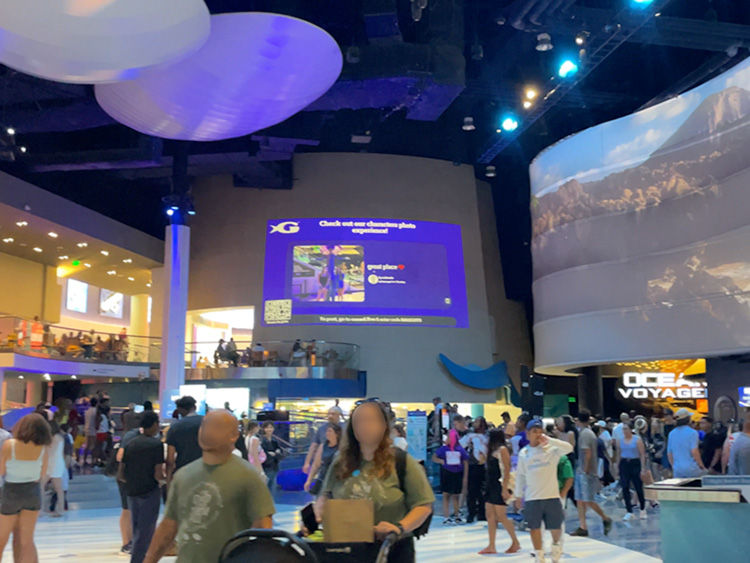
Selecting a peak date also doesn’t necessarily mean that the entire day will have peak crowds. I was limited on my visit, as I was only in Atlanta for a couple of days. I had to visit on a summer Sunday. I arrived around 3 pm, and the place was jam packed. I felt like I had walked into an indoor Disneyland. The aquarium was open until 9 pm though, and by around 7 pm most of the crowds had dissipated. By 8 pm I felt like I had the place nearly to myself. So if you do need to go on a peak date, my advice would be to go towards the mid afternoon to early evening hours, so you can take advantage of the much quieter end of the day crowds.
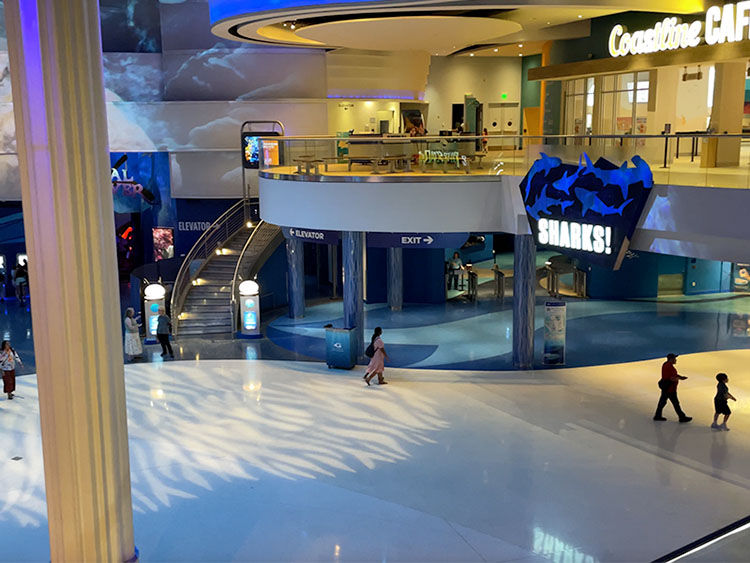
The official Georgia Aquarium website says guests typically need about 2 - 4 hours to explore. I don’t know how anyone can even walk through the whole place in 2 hours, let alone look at anything! I would say 4 - 6 hours if you are a casual visitor interested in taking your time and seeing the dolphin and sea lion shows as well. If you’re a real aquarium nerd, or are planning on participating in one or more of the private animal encounters, then you’ll need all day. I was here about 6 hours, seeing one show, and really taking my time at my favorite exhibits.
Food
Touring at 600,000 square foot facility for hours on end requires sustenance! The official policy is no outside food or beverages allowed, though I don’t know how strict that is. I brought in a small sandwich (shhh…) and no one seemed to mind. They do have water bottle filling stations located throughout the aquarium, and visitors are encouraged to bring their own refillable bottles. Do with this information what you will.
The main restaurant is the Coastline Cafe, located on the second floor. I can’t vouch for the quality of the food as I ate my secret sandwich, but you can view the menu to get a sense of options and costs. It doesn't seem like anything out of the ordinary, typical zoo/aquarium/musuem fare.
Dolphin & Sea Lion Presentations
There are two shows/presentations that are included with your ticket. One for the dolphins, and one for the sea lions.
Dolphin Coast is the 1800 seat theater where the aquarium staff does live training demonstrations with the resident common bottlenose dolphins. If you want upgraded seats for the dolphin show, there are a limited number preferred seats available for an additional $5.

Truist Sea Lion Studios is the sea lion theater. There is a small sea lion viewing area accessible from the lobby, but you can’t see much without heading into the theater. You really need to get tickets to the show to see them.

Both presentations use an online reservation system, and tickets are given on a first come first serve basis. On busy days, all of these shows will sell out. By the time I arrived at 3 pm on a Sunday, the sea lion presentation tickets were already gone for the day and there were very few left for the dolphins. Reservations for both shows can be made on the day of your visit, and links to book are provided with your purchased ticket. You can also download the Georgia Aquarium app and book that way (links here for the iTunes App Store or the Google Play store). You’ll also want to arrive at the theater at least 20 minutes prior to the presentation start time to get a good seat. The theaters are big, but so are the crowd sizes! The daily show times can be found on the aquarium’s daily schedule, on the aquarium mobile app, or on the provided booking link.
Georgia Aquarium Tour & Galleries Overview
Map
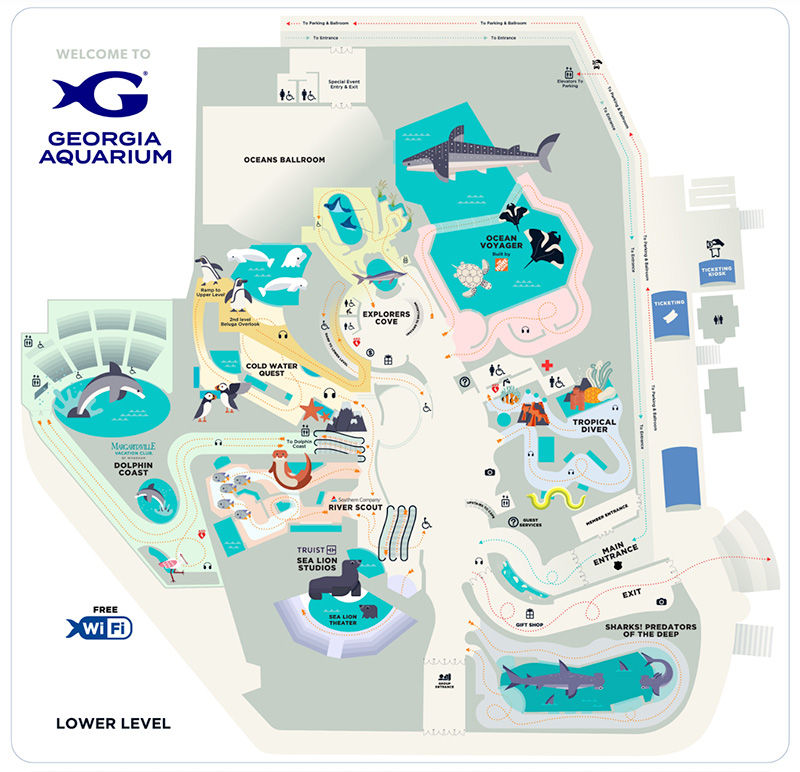
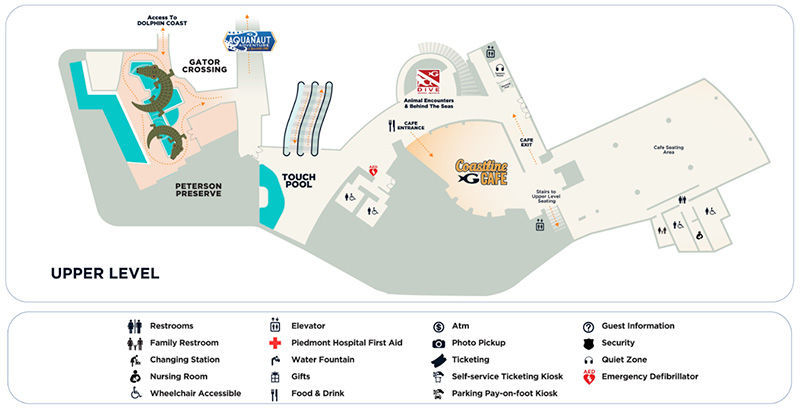
Maps of the aquarium are posted throughout the building and on the Georgia Aquarium mobile app. In an effort to conserve paper, printed maps are not available. This is a pretty easy place to navigate though. The majority of the aquarium galleries are laid out in a circle on the main floor surrounding the large lobby atrium, with a couple of additional ones upstairs. There’s no one way to see everything, since you are always led back to the center of the aquarium once you’re finished with each gallery. Upon arrival, just start with whatever gallery looks the most interesting - or the least crowded!
Sharks! Predators of the Deep
Sharks! Predators of the Deep is one of the highlights of the aquarium. The gallery is 185 feet long, 20 feet deep, and holds about 1.2 million gallons of water. It is home to 3 species of shark, the Great Hammerhead Shark, the Silvertip Shark, and the Tiger Shark.

The gallery has floor to ceiling viewing windows, so while this exhibit does get crowded, finding a spot right up close to the glass isn’t too difficult, even at peak hours. There’s lots of clear, easy-to read information about the sharks posted throughout the exhibit, including some fun, interactive displays where you can learn more about these magnificent apex predators. Sharks are critical to the health of the ocean, and humans are their biggest threat. This gallery provides not only a great chance to see these oft misunderstood creatures up close, but to learn more about them and why their conservation and protection is so vital to us all. I spent a ton of time at this exhibit, I probably could have just stayed here all day. It’s on my scuba bucket list to see hammerheads in the wild!

River Scout
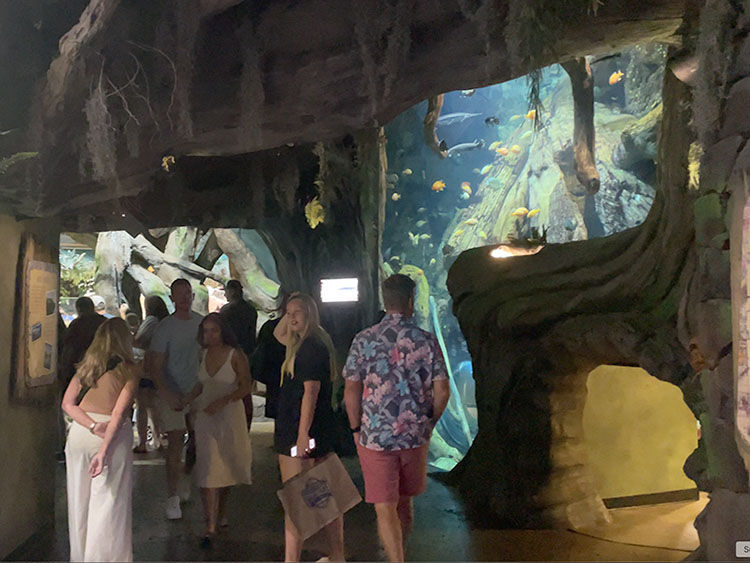
Southern Company River Scout is the only freshwater gallery at the aquarium, and the only one in the state of Georgia as well. This gallery features a variety of exhibits highlighting the fish and animals found in river environments all over the world. The theming of the gallery as a whole is also incredible, the designers did such a great job incorporating faux plants, trees, and waterfalls throughout, making you feel like you could actually be walking along the banks of one of the world’s great rivers. Highlights of River Scout include otters, piranhas, carp, catfish, and giant puffers.
Cold Water Quest
Cold Water Quest is another aquarium highlight, and like River Scout, this gallery welcomes you into its world with delightful naturalistic theming. The first exhibit in this gallery is a California kelp forest, which as a scuba diver who lives in southern California, I very much enjoyed. It was so nice revisiting the local underwater kelp forests I’ve dove in the past. People don’t realize that the oceans in California are actually quite cold!

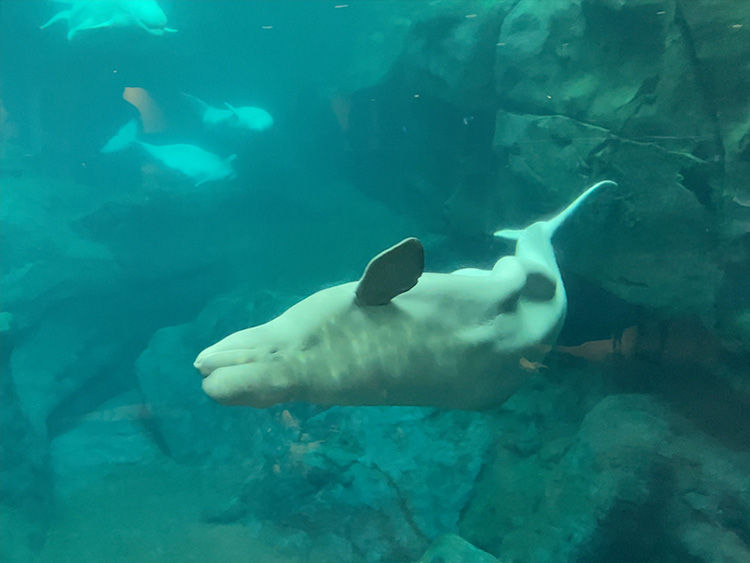
There’s so much to see in this gallery, including a pacific northwest tide pool, puffins, sea otters, penguins, harbor seals, and beluga whales. This is quite a popular gallery and can feel crowded during peak hours, so I’d recommend exploring this section during off peak-times, if you can. There are so many incredible animals to see here, I ended up coming back again later on in the day so I could get up close and spend some good quality time at each exhibit.
Tropical Diver
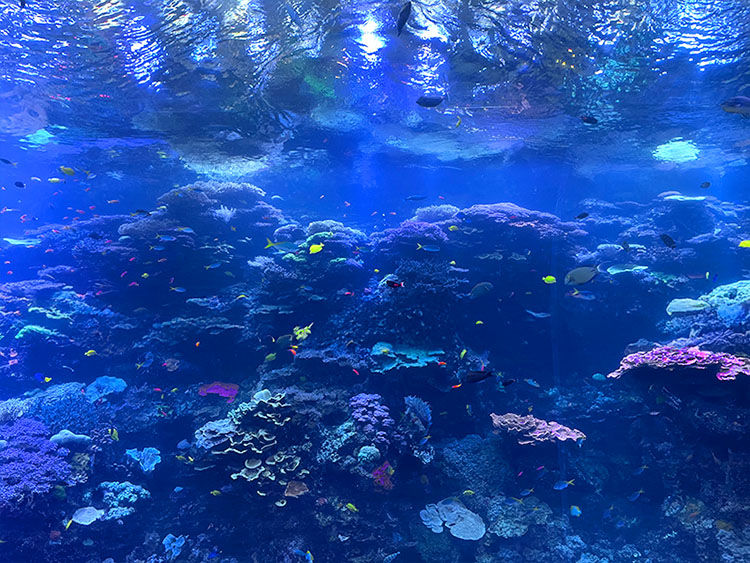
After spending some quality time in the world’s chilly and subarctic waters, you can next head to the exact opposite - the Tropical Diver gallery. Home to over 200 species of coral and over 90 species of fish, the exhibits of Tropical Diver take you on a journey through the warm, tropical waters of the Indo-Pacific Barrier Reef. I particularly enjoyed the shipwreck exhibit, the jellyfish, and the green moray eels. But the true highlight of Tropical Diver is the exhibit at the center of the gallery - it’s one of the largest living reef exhibits of any aquarium on earth.
Aquanaut Adventure Discovery Zone
The Aquanaut Adventure Discovery Zone is a kid-friendly gallery all about teaching young (don't worry, us old people are allowed in too!) visitors how animals survive in some of earth’s most inhospitable environments. As visitors wander through the exhibits here they’ll meet plenty of amphibians, fish, reptiles, and rays. As a fan of giant reptiles, I personally loved the Gator Crossing exhibit!

Explorer's Cove
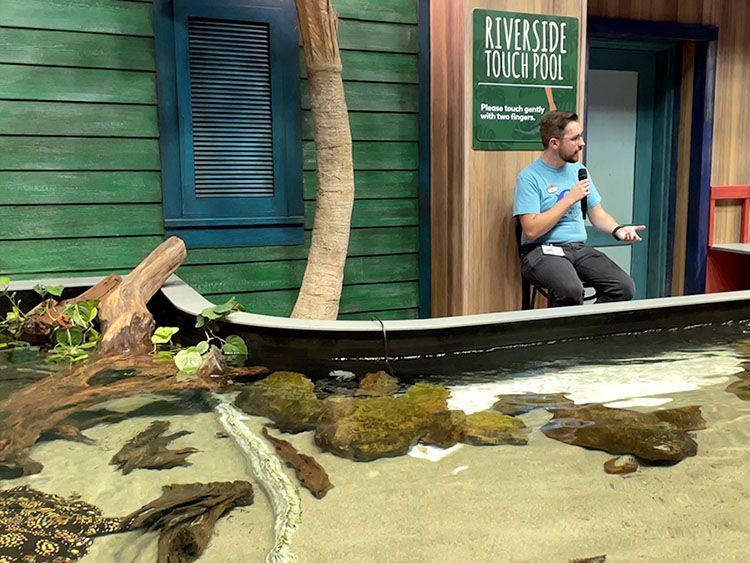
The aquarium’s newest gallery is all about the hands-on experience. Home to two interactive touch pools, at Explorer's Cove visitors can get to touch cow nose rays and lake sturgeon.
Ocean Voyager
Ocean Voyager is the largest exhibit at the Georgia Aquarium, and was designed to house whale sharks, manta rays, and over 50 other species of schooling fish in a habitat that mimics the open ocean to the fullest extent possible. It’s one of the world’s largest single aquatic exhibits, filled with over 6.3 million gallons of salt water.

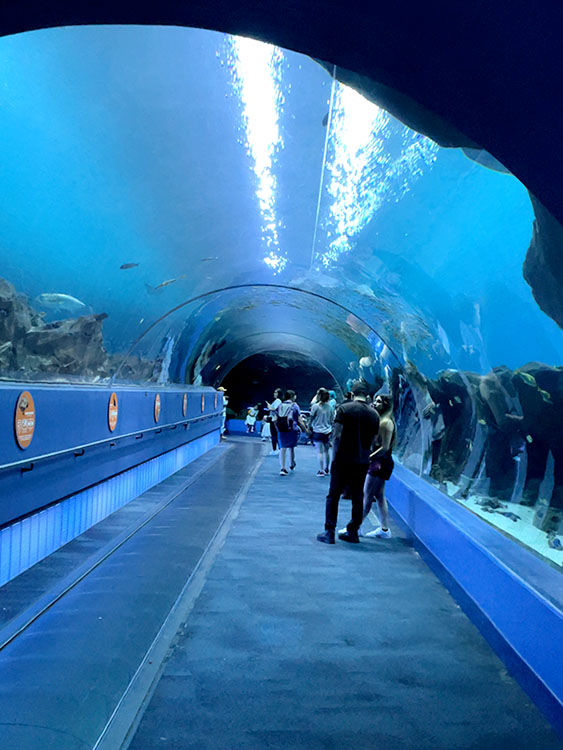
You’ll learn the stories behind the manta rays, who along with the whale shark, are the star residents of Ocean Voyager. This exhibit features over 4500 square feet of viewing windows, including a 100 foot long underwater tunnel, where you can walk or ride a slow moving conveyor belt under this incredible underwater world, watching all kinds of creatures casually swim over your head. It's very cool!
The highlight of Ocean Voyager is definitely the main viewing window, where you can pick a spot and watch the aquatic magic unfold. At 23 feet tall and 61 feet wide, this is one of the largest exhibit viewing windows in the world, and is the perfect spot to enjoy the resident whale shark, who is the largest fish in the world. Their average length is anywhere from 18 - 32 feet, and they pose no threat to people, as these gentle giants are filter feeders whose diet consists of tiny zooplankton. They are endangered, as are the other star residents of Ocean Voyager, the manta rays.

While the whale shark and manta rays are the main draw, there are so many different species to enjoy here at Ocean Voyager. The exhibit is nearly the size of a football field, so even when the manta rays or whale shark are not visible from the main viewing window, there are a plethora of creatures to enjoy and observe here. I probably spent about 90 minutes at this exhibit, and I think I could have easily spent longer. A truly mesmerizing experience, and is the perfect finale for the aquarium visit.
Hands-On Animal Encounters
For more in-depth experiences, Georgia Aquarium offers a plethora of additional private and small-group animal encounters, though these do all come at an extra cost. A listing and brief summary of each is below. All prices are the “starting from” non-member rates as of December 2025, but the links to the encounter are posted to verify each cost. Do verify current costs, as they are subject to change. Note that some of these activities are very short, and in my opinion, a bit on the pricey side for the amount of time that you get.
Description: Participate in a poolside training session with the animal care specialists.
Cost: $85.99
Ages: 7+ (ages 7 - 15 require a participating adult)
Length of Experience: 15 minutes
Description: Participate in a poolside training session with the animal care specialists.
Cost: $85.99
Ages: 7+ (ages 7 - 15 require a participating adult)
Length of Experience: 30 minutes
Description: Tour of seal facility and interactive training session with the animal care specialists.
Cost: $75.99
Ages: 7+ (ages 7 - 15 require a participating adult)
Length of Experience: 30 minutes
Description: Behind the scenes tour of Cold Water Quest gallery and meet an African penguin under animal care specialist supervision.
Cost: $75.99
Ages: 7+ (ages 7 - 15 require a participating adult)
Length of Experience: 30 minutes
Description: Tour of sea lion facility and interactive training session with the animal care specialists.
Cost: $85.99
Ages: 7+ (ages 7 - 15 require a participating adult)
Length of Experience: 30 minutes
Description: Behind the scenes tour of Cold Water Quest gallery, sea otter meal preparation, and interactive training session with the animal care specialists.
Cost: $85.99
Ages: 7+ (ages 7 - 15 require a participating adult)
Length of Experience: 30 minutes
Description: Get in the water at the Sharks! Predators of the Deep gallery.
Cost: $105.99
Ages: 7+ (ages 7 - 15 require a participating adult)
Length of Experience: 75 minutes
Description: Snorkeling in the Ocean Voyager exhibit, face to face with the whale shark and manta rays.
Cost: $265.99
Ages: 12+ (under 18 require a participating adult)
Length of Experience: 3 hours total, 30 minute swim
Ocean Voyager Scuba Dive (prior Scuba certification required)
Description: Scuba diving in the Ocean Voyager exhibit, face to face with the whale shark and manta rays.
Cost: $374.99
Ages: 12+ (under 18 require a participating adult)
Length of Experience: 3 hours total, 30 minute dive
Thoughts & Review
As an avid scuba diver and lover of all things aquatic, this aquarium had been on my bucket list for years, and it did not disappoint. Yes, the mid-afternoon weekend crowd that I saw upon entry did give me a moment of panic, but the aquarium is so big that even amongst the chaos of peak visiting hours you can still find a spot to observe. Once the afternoon passes into the early evening and the families with young children mostly head home…well, that couple of hours until closing was an absolute dream.

The exhibits are beautifully themed, visually stunning, and draw you into their world as soon as you step foot inside. Signage was great, and the layout of the place makes it difficult to get lost or miss anything. The entry cost is high, but you get what you pay for - this is one of the premier aquariums in the world.

Now, I will say that marine mammals in captivity does make me feel a bit icky. Everyone has different values on this. I don’t visit places like SeaWorld on principle, but I did choose to visit Georgia Aquarium even though they have animals like dolphins and beluga whales. I wasn’t able to get tickets to the sea lion show as they were gone by the time I arrived, but I did go to the dolphin show. I hadn’t been to one of these since I was a kid, and I’m not sure what exactly I was expecting, but I suppose I thought that a dolphin demonstration in 2025 at a place like Georgia Aquarium would be a bit more… evolved?
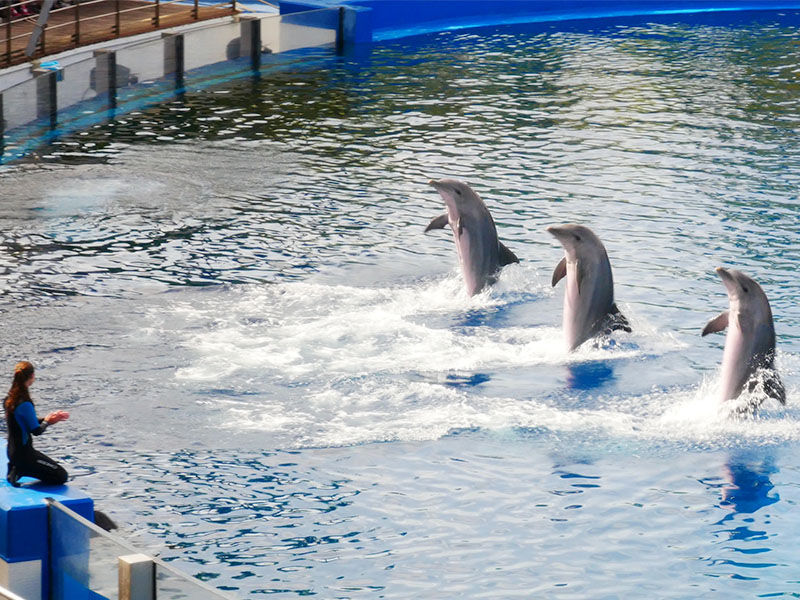
Maybe that’s unrealistic. I suppose I was hoping to see something more along the lines of natural behaviors, but it was still the same old playing with balls and swimming with the trainers on their backs and splashing the tourists shenanigans that I remembered from my youth. My opinion is that unless a marine mammal is endangered, then they don’t belong in captivity. Georgia Aquarium is a magnificent facility who does wonderful conservation and educational work, but I walked out of the dolphin theater feeling a bit uncomfortable and icky. That said, I loved my experience at the aquarium, and will absolutely return in the future. Contradictory? Perhaps. I do hope that as time goes by the public’s appetite for these sorts of things will lessen, and more and more places will start to phase out marine mammal captivity.
Georgia Aquarium Guide - The Video!
I also have a video of my experience at the Georgia Aquarium, so if you want to see more of this aquatic wonderland, check out the video below!


Comments